Casper
SaaS Publishing & Content Operations Platform
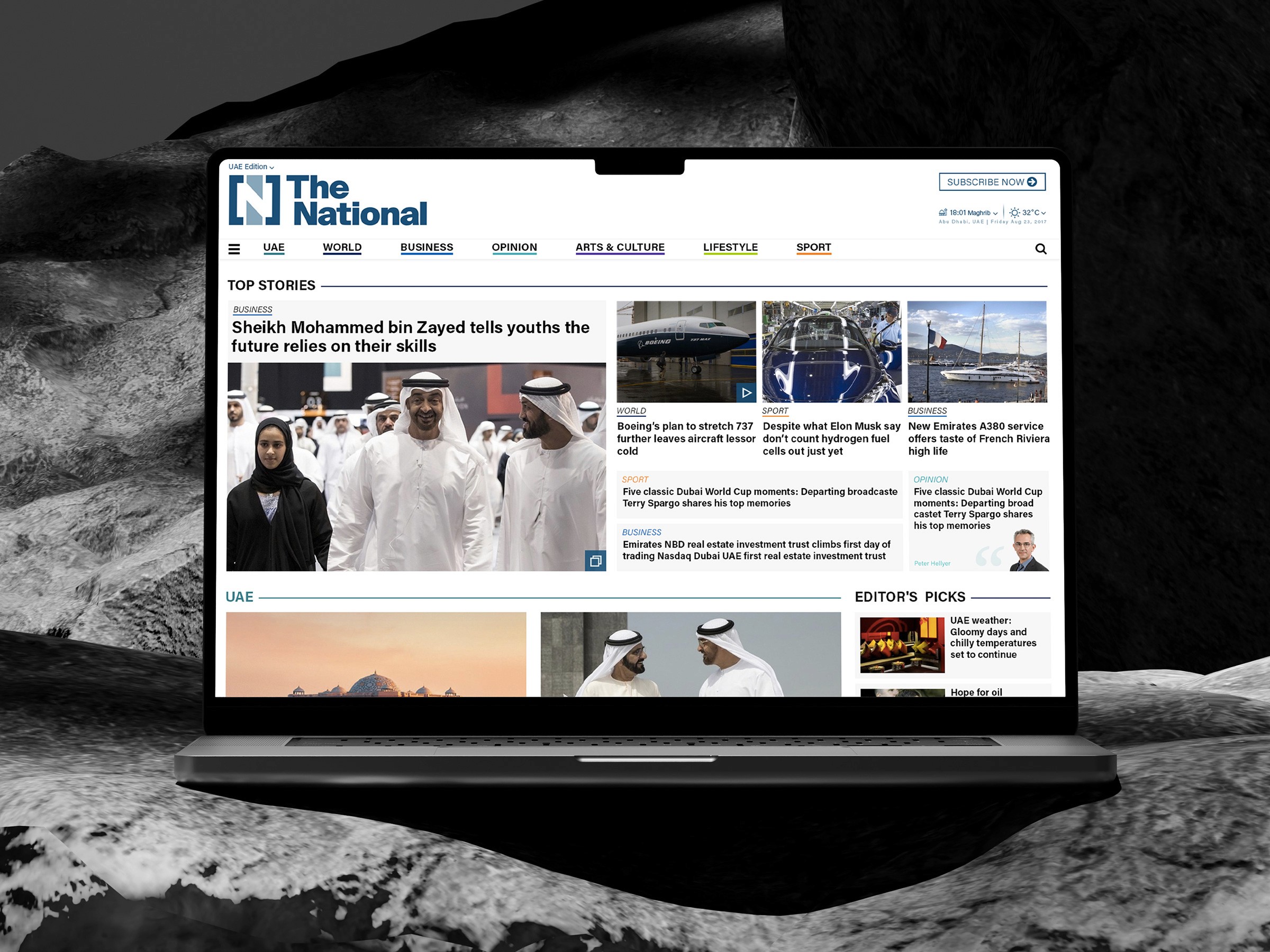
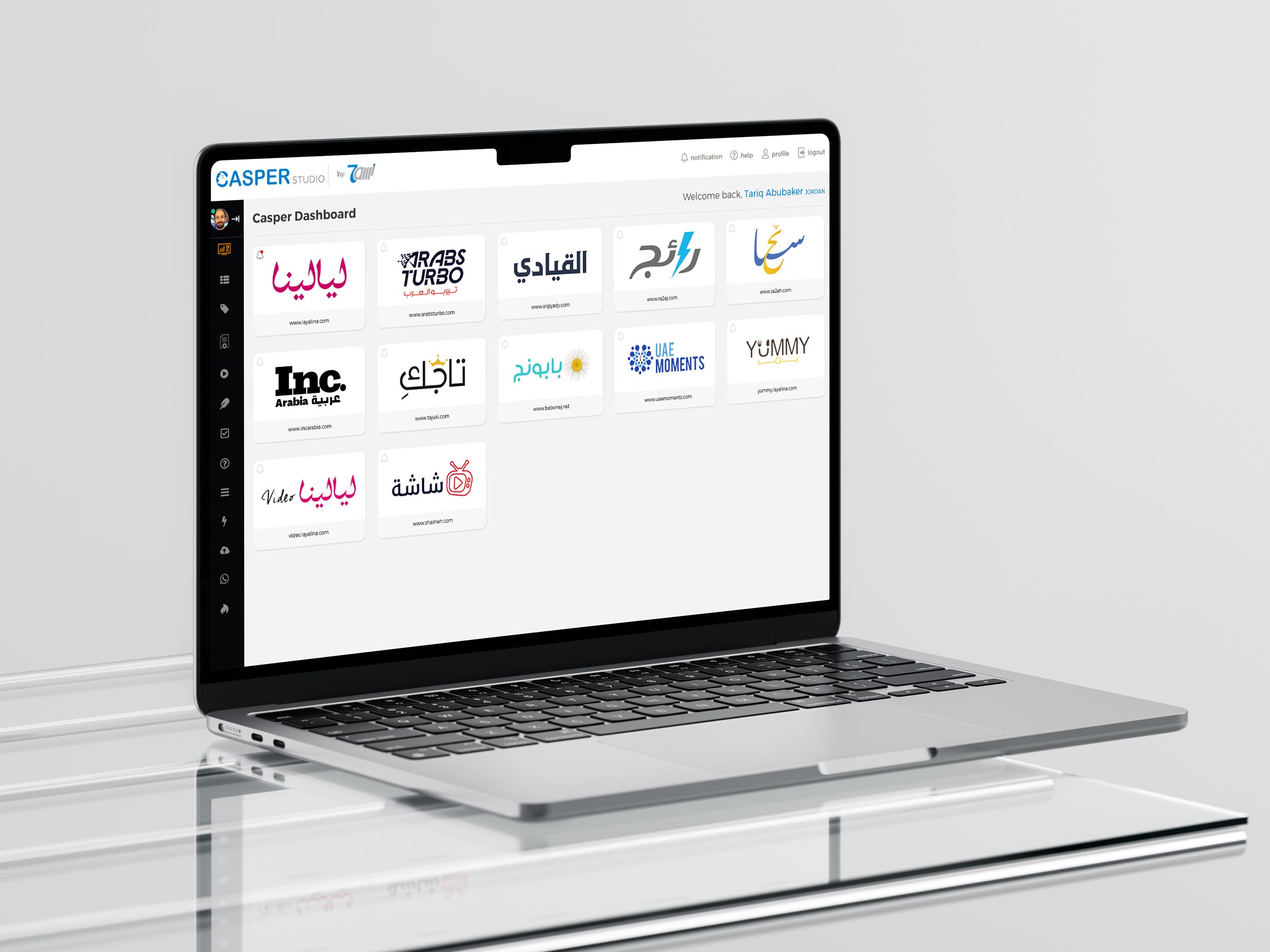
Casper is a SaaS publishing and content operations platform built to support 7awi Media Group’s multi-brand, multi-site, and multi-language digital ecosystem.
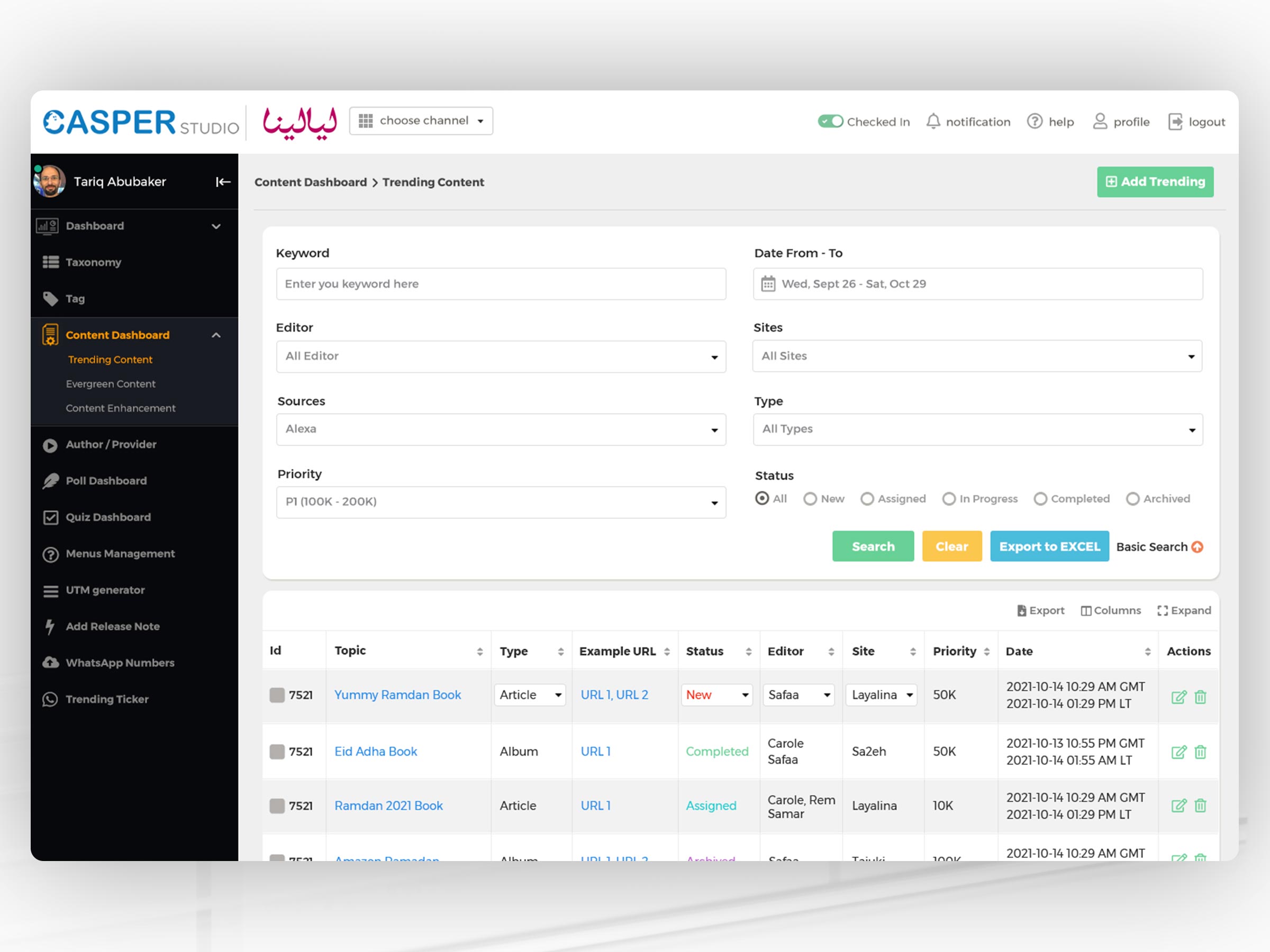
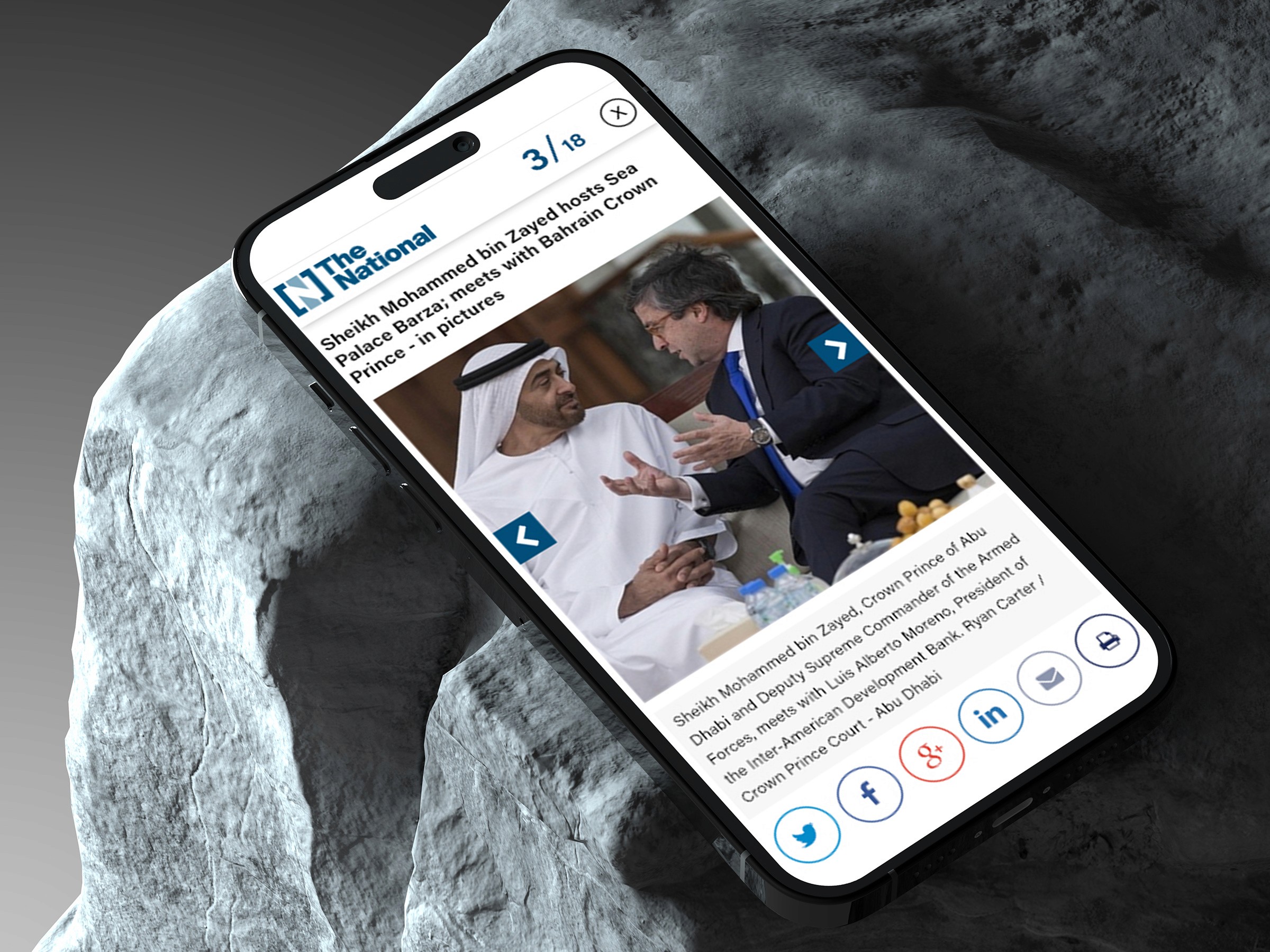
The platform powers more than 20 websites and supports more than 10 content types, including articles, videos, albums, and other structured publishing formats. It brings content creation, publishing, SEO, distribution, monetization, and related editorial workflows into one environment, allowing teams to manage different brands and content types while maintaining consistency, governance, and publishing speed.
I led the UX and product design direction for Casper, shaping the product architecture, editorial workflows, interaction patterns, and design system around the day-to-day needs of the teams using the platform.
Scope:
Product Strategy · UX Architecture · Design System
Product Strategy · UX Architecture · Design System
Client:
7awi Media Group
7awi Media Group
Year:
2021
2021
The Challenge
Casper needed to support a high-volume publishing operation spanning more than 20 websites, multiple brands and languages, and more than 10 different content types.
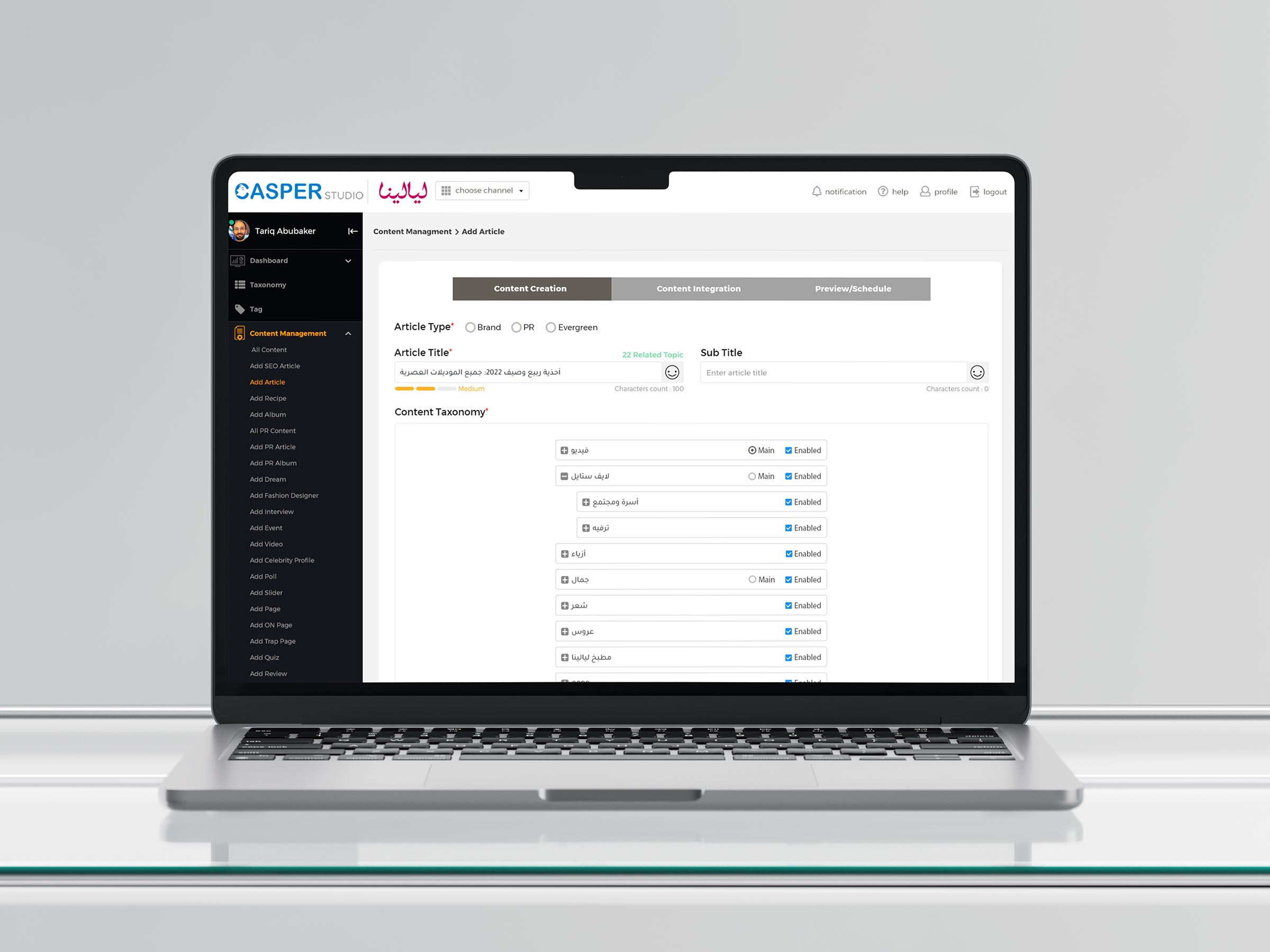
Editors, writers, SEO specialists, social teams, commercial teams, and product managers interacted with different parts of the publishing process, each with their own requirements. Articles, videos, albums, and other formats also required different fields, workflows, validation rules, and publishing behaviors.
The challenge was to create one unified product that could standardize core publishing workflows without forcing every brand or content type into the same structure, while keeping complex operations clear, efficient, and manageable at scale.
Strategic Approach
The experience was designed around editorial operations rather than individual CMS features, treating the teams using Casper every day as product users whose speed, clarity, and confidence directly affected the publishing business.
• Designed around real publishing workflows: Structured the experience around how editors create, review, optimize, publish, and manage content rather than exposing the underlying technical complexity of the CMS.
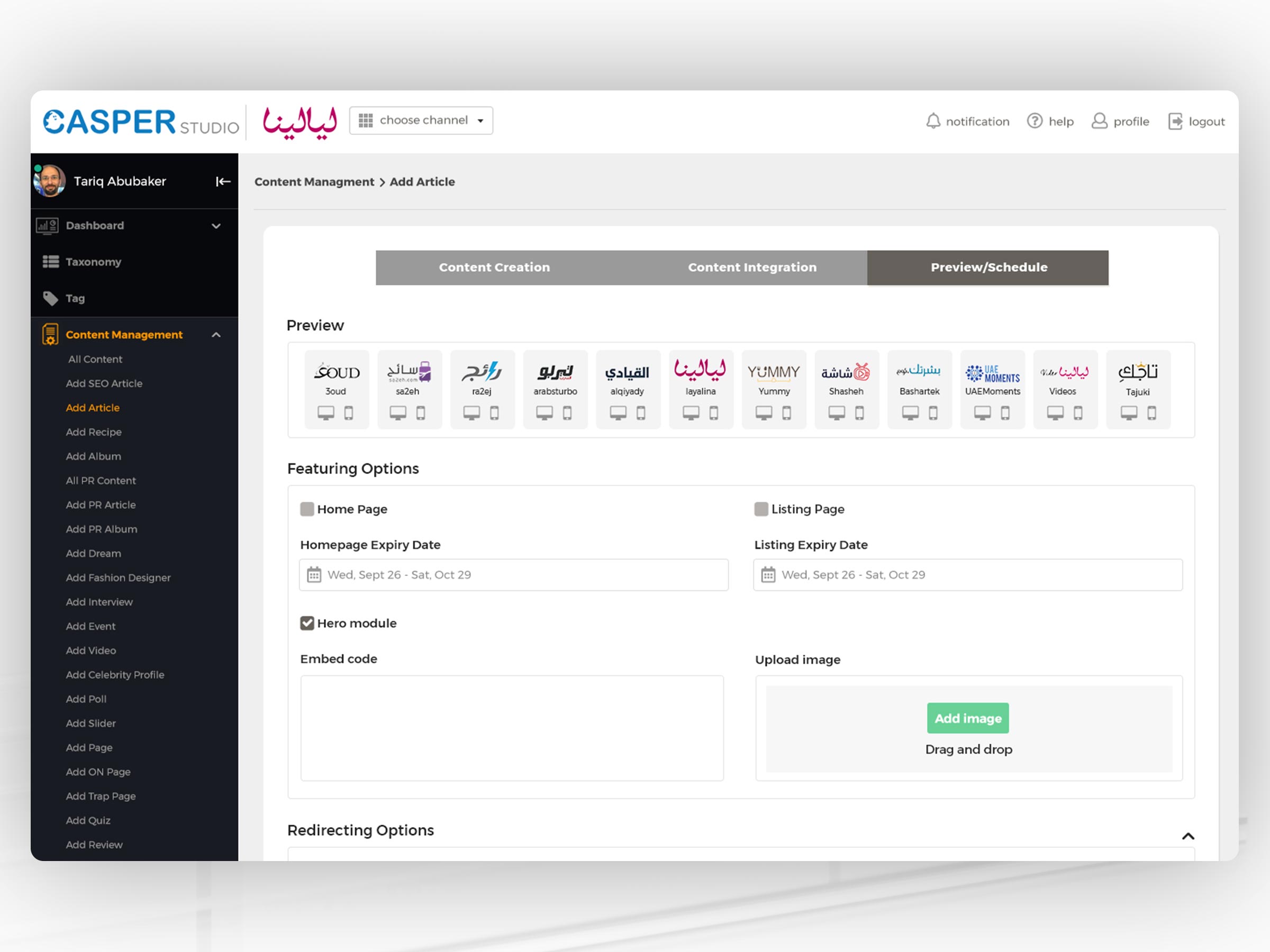
• Built a flexible content model: Created reusable interaction and interface patterns capable of supporting more than 10 different content types while allowing each format to retain its own publishing requirements.
• Balanced consistency with flexibility: Established shared UX patterns across more than 20 sites and multiple brands without removing the flexibility required by different editorial teams and content verticals.
• Designed for publishing velocity: Simplified repetitive actions and introduced validation, bulk operations, automation, and faster publishing flows to reduce unnecessary steps during high-volume editorial work.
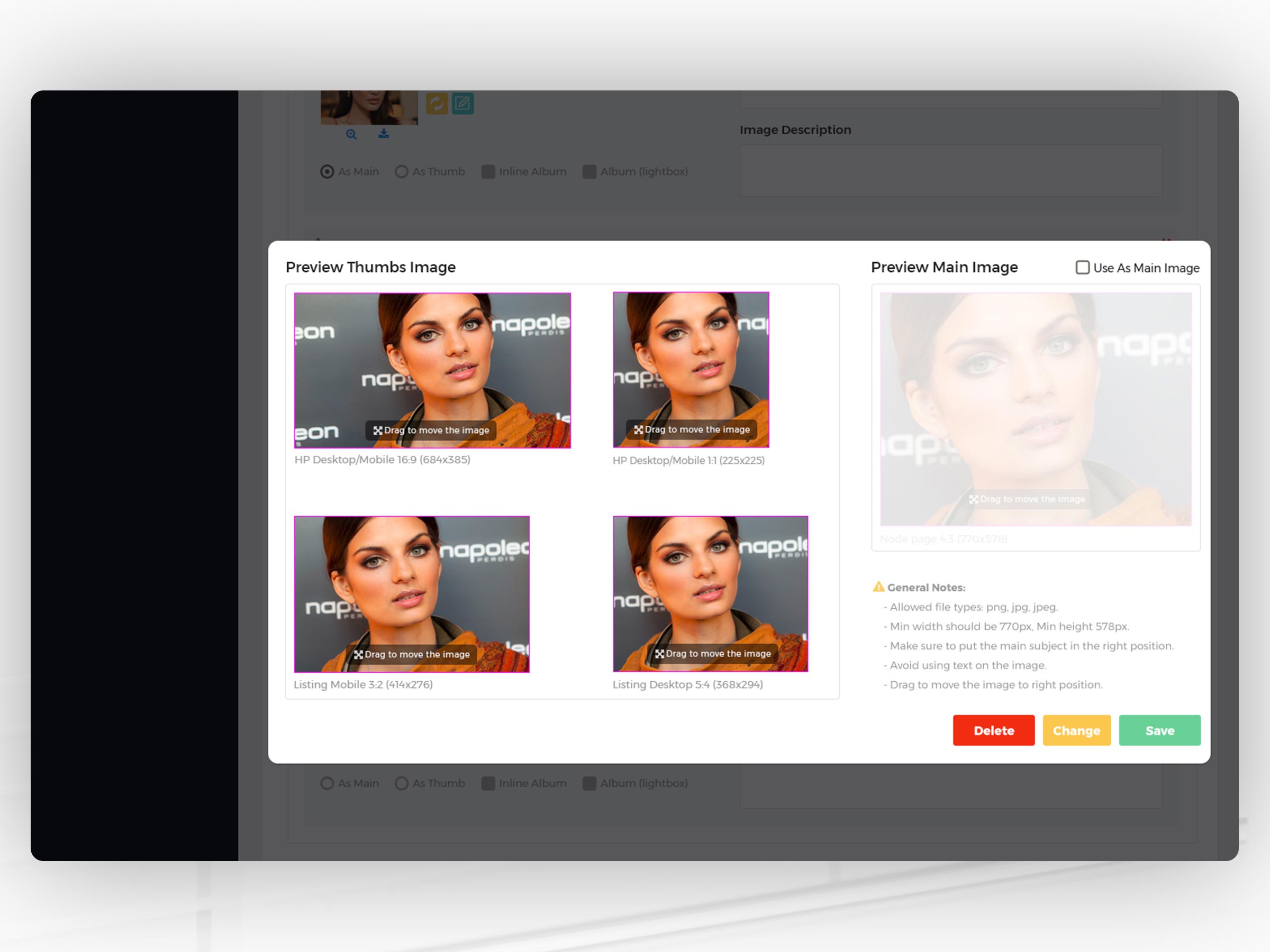
• Integrated specialized workflows: Brought SEO, social distribution, monetization, recommendations, and other publishing requirements closer to the authoring experience, reducing the need to move between disconnected tools.
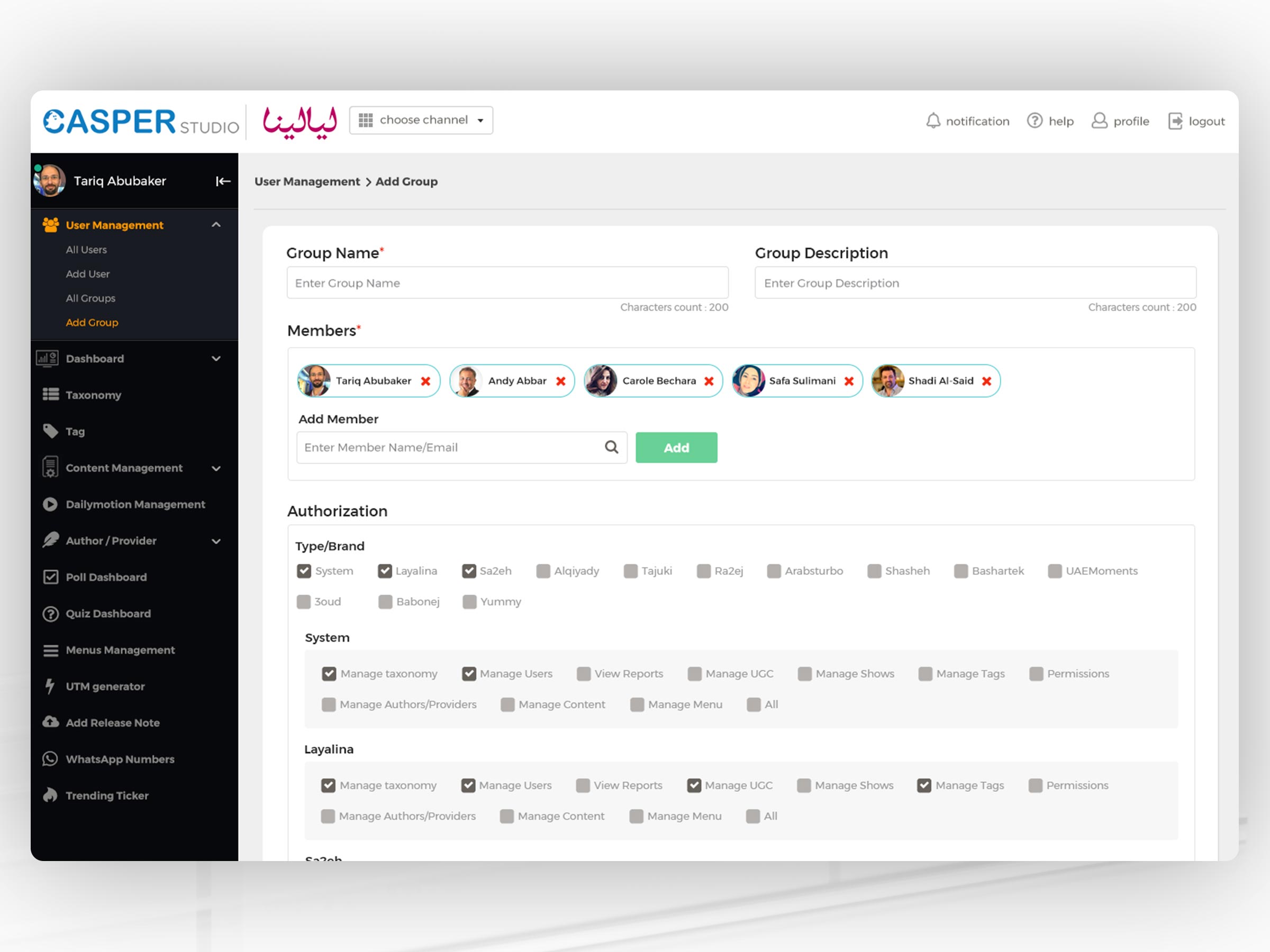
• Built for multiple roles: Designed workflows and controls around the needs of different editorial and operational users while maintaining appropriate structure and governance across the platform.
• Created a scalable product foundation: Established reusable interaction patterns and design-system components that allowed Casper to evolve as new brands, content types, workflows, automation, and AI-assisted capabilities were introduced.
Product Impact
Casper established a unified publishing environment supporting more than 20 websites and more than 10 content types across 7awi Media Group’s digital ecosystem.
The platform created a consistent product architecture for managing different brands, languages, editorial workflows, and publishing formats while preserving the flexibility required by individual teams.
By bringing content creation, optimization, distribution, monetization, and related operations into one platform, Casper reduced dependency on fragmented tools and created a scalable foundation for the group’s digital publishing operations.
Its modular architecture also enabled the platform to expand over time as new sites, content types, workflows, and capabilities were introduced.